

For many generations, the Gospel narrative has risked becoming “silent”: perceived as a collection of abstract concepts or as something “old-fashioned” to be listened to distractedly during the liturgy. The great challenge of contemporary evangelization is precisely this: to give voice once again to that eternal Word, allowing it to resound through the languages and forms of communication that we inhabit every day.
Past Attempts at Retelling the Gospel in Film
In the past, there have been no shortage of attempts—often successful ones—to represent the life of Jesus within the contemporary context of their respective times. We can mention, for example, Jesus Christ Superstar, the celebrated 1973 film adaptation of the extraordinary rock opera of the same name; The Gospel According to St. Matthew, the 1964 film written and directed by Pier Paolo Pasolini; and Jesus of Nazareth, the television miniseries directed by Franco Zeffirelli and first broadcast in 1977. More recently, and may be the most famous, is Mel Gibson’s The Passion of the Christ, a film that not only awakened renewed attention to the Passion and death of our Lord Jesus Christ, but also sparked controversy over accusations of antisemitism.


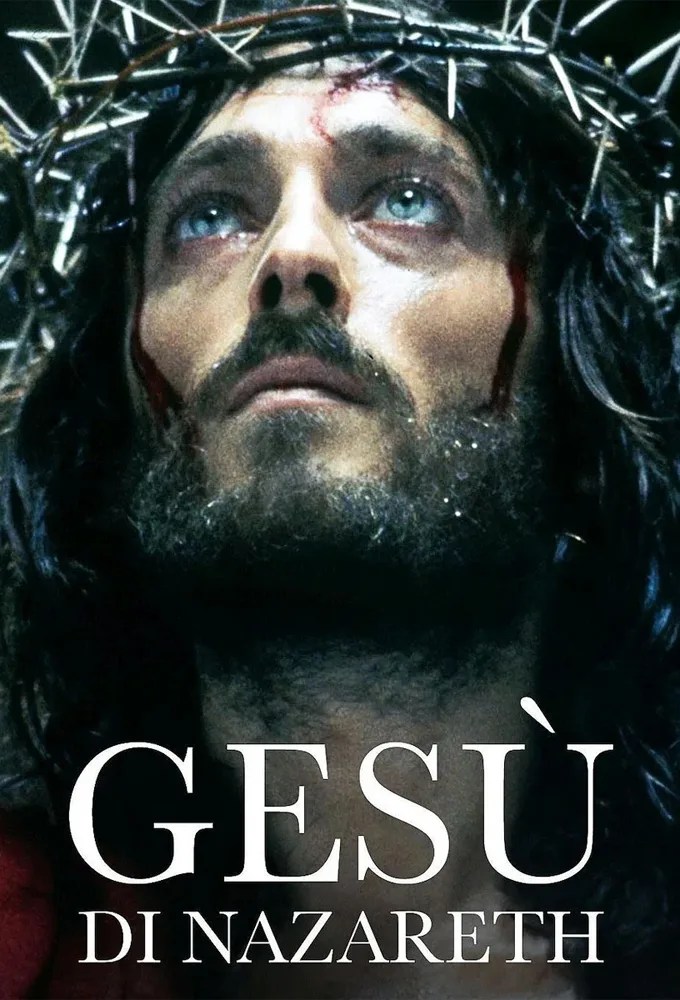

Yet believing—and even more so, showing Christian faith in our own time—is not simple. It requires, on the one hand, a rigorous fidelity to the biblical text; on the other, the urgency of speaking a language capable of meeting the sensibilities, cultural context and even the frenetic rhythms of contemporary humanity.
The Chosen: A New Phenomenon
This is where a global phenomenon like The Chosen—now in its fifth season and the sixth expected to be released by November 2026—succeeds where many other attempts have struggled. It is the first multi-season television series about the life of Jesus. The series does not simply “transmit” religious content: it translates it, it brings it to life. It does not offer a simple catechism lesson in video format, but constructs an authentic narrative, shaped by the dynamics of today’s great television series: characters who mature over time, relationships that slowly unfold, and stories that grow from one episode to the next.

This is not merely an aesthetic operation, but responds to a deeper need: to make the eternal Word once again capable of speaking to today’s context, transforming concepts often confined to the liturgy into living, accessible, and surprisingly familiar images.
The series, created and directed by American filmmaker Dallas Jenkins, premiered in 2019 as an independent project—financed through one of the largest crowdfunding campaigns in the history of cinema! — and succeeds in engaging audiences precisely because it transforms the religious message into a pulsating story, one capable of keeping us glued to the screen. Through the dynamics typical of major contemporary television productions, what we normally associate with prayer or ritual suddenly becomes familiar, concrete and deeply human.
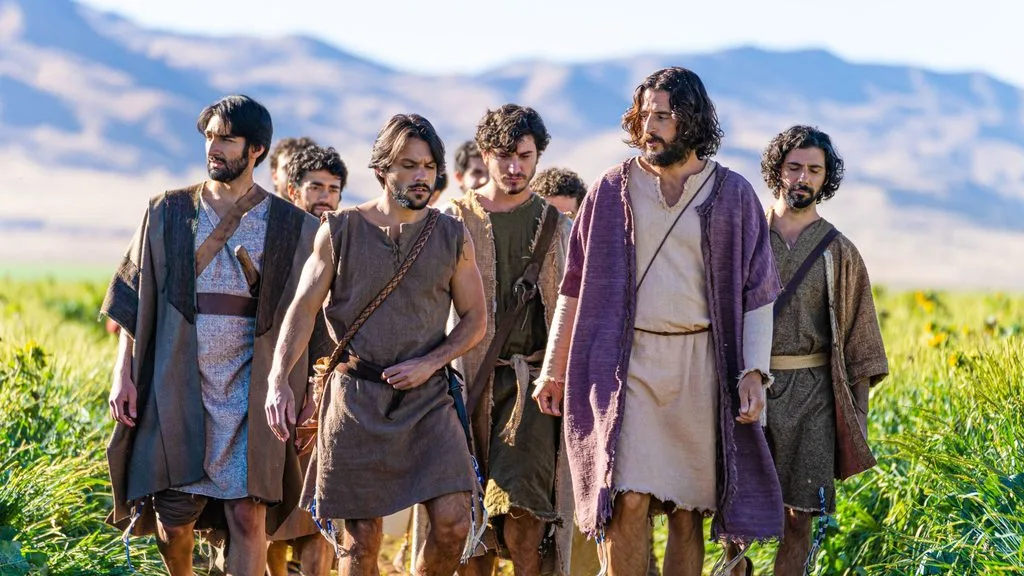
In The Chosen, we see a Jesus who walks with his disciples, jokes, cries and shares in the fatigue of everyday life. This is not simply a narrative choice; it is an incredibly powerful communication strategy. Today, more than ever, people are searching for authenticity, genuine relationships and credible experiences. A Christ who is so close to us helps us understand that the Gospel is not an abstract theory, but a story that touches the very flesh of life.
After all, this is how Jesus himself communicated: not through complex concepts, but through parables built upon everyday images—fields, fishing nets, yeast—images capable of speaking to everyone.
“Imperfect” Disciples Like Each One of Us
Alongside Jesus, the series gives us disciples who are surprisingly human. Peter, Matthew, and Mary Magdalene (among many) do not appear as saints already prepared to be portrayed in stained-glass windows, but as men and women marked by doubts, wounds and fragility. And it is precisely this humanization that creates an extraordinary bridge with the viewer: in their conflicts, we recognize our own; in their fears, we rediscover our own search for meaning.
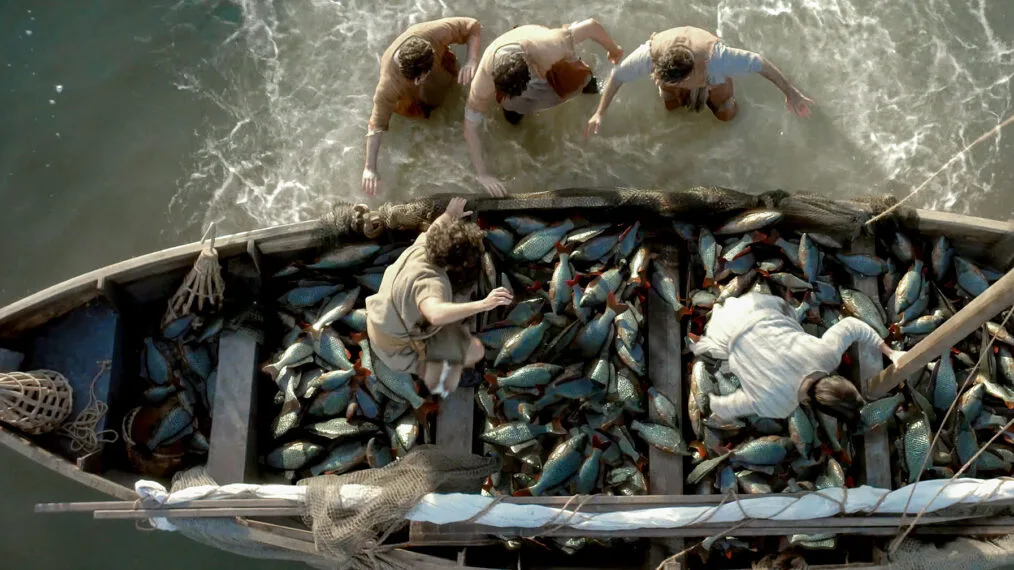
The communication of the sacred today must have the courage to present itself in this way: not as an unreachable perfection, but as a journey marked by falls and new beginnings. Faith is not a magic wand that erases problems; it is a new light that enables us to walk through them. In a time marked by loneliness and fragmentation, presenting Christianity as a community of fragile people united by a presence that listens becomes a message of extraordinary power.
Credibility: Our True Mission
The Internet, social networks and streaming platforms are not enemies of the sacred. They are simply the places where people today live, learn, encounter one another and build relationships. To inhabit these spaces creatively is no longer an option; it is a responsibility.
The great lesson of this new season in the telling of the sacred, however, is something else: credibility remains the decisive element. People are not looking for special effects or religious marketing strategies. They are looking for authentic witnesses. They are looking for someone who embodies the Gospel through concrete gestures of love, listening and welcome.
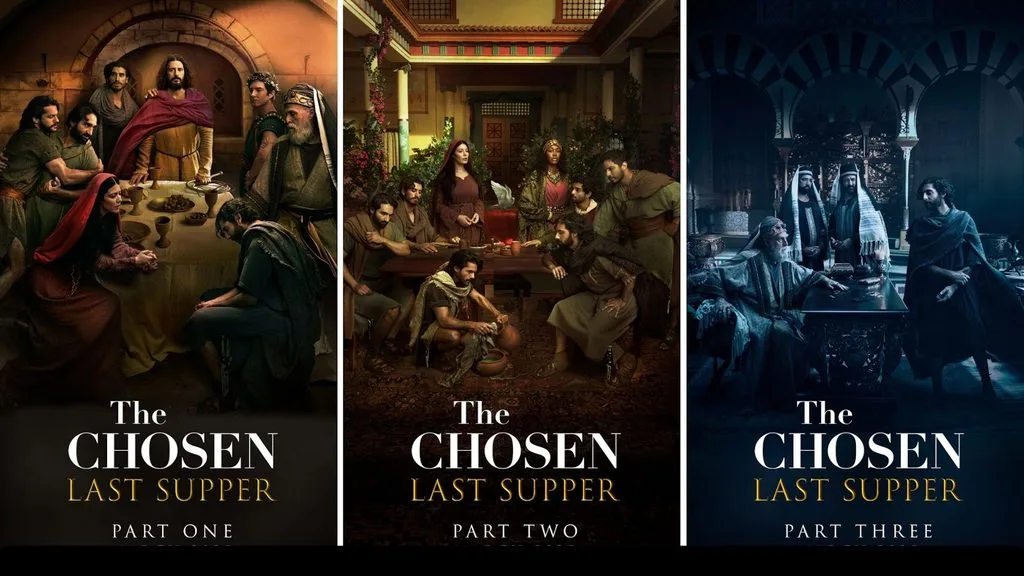
Modernizing the Christian message does not mean making it superficially “fashionable,” but knowing how to inhabit one’s own time without betraying one’s identity. New media therefore represent an extraordinary opportunity to show that Jesus continues, even today, to attract the human heart.
The Gospel Read in New Media
When used with authenticity, the tools of contemporary communication can transform a screen into a true place of encounter, where the sacred does not remain a distant object to be contemplated, but becomes a presence that is close, capable of speaking to the heart of modern humanity.
Every image projected, every dialogue carefully written, can become an invitation to open the Gospel once again—the Gospel that for millennia has been waiting to be read with new eyes—reminding us that our own lives are, in the end, the greatest “story of history” that can ever be told.
Discover more from Tamang Usapan Podcast
Subscribe to get the latest posts sent to your email.


